Hydrogen Gas Production Methods

Hydrogen is the most abundant element in the universe and is essential to life, matter and energy. It also has the potential to push sustainability efforts further through what’s referred to as green hydrogen. Read on to learn about hydrogen gas, the different hydrogen gas production processes, and the environmental impact of each type.
1. What Is Hydrogen Gas?
Hydrogen is the lightest and most abundant element in the universe. In its gaseous form, it exists as a diatomic molecule consisting of two hydrogen atoms: H₂.
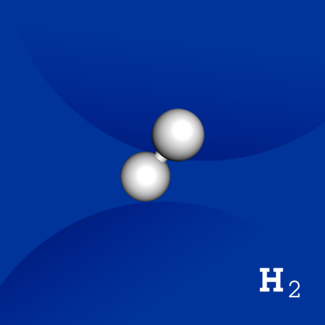
Hydrogen is produced at scale for use as an industrial feedstock and an energy carrier. Its applications and uses include fuel refining, ammonia production, chemical manufacturing, metal treatment, glass manufacturing and more.
2. Hydrogen Gas Production Process
Hydrogen is produced through a variety of methods, and its environmental impact depends on the production process used. Two main pathways are steam methane reforming and water electrolysis:
- Steam methane reforming (SMR): Uses natural gas and steam to produce hydrogen. This production route is used for grey hydrogen and, with the addition of carbon capture and storage, blue hydrogen.
- Water electrolysis: Uses electricity to split water into hydrogen and oxygen. When powered exclusively by renewable electricity, it produces green hydrogen.
Water is an input in both pathways. SMR requires water as steam, while electrolysis uses water as the material being split.
2.1. Hydrogen Gas Production Process for Each Type
Grey Hydrogen Production
Grey hydrogen is produced from natural gas through steam methane reforming. The process involves four main stages:
- Sulfur removal and pre-reforming
Natural gas consists mainly of methane (CH₄), but also contains heavier hydrocarbons and sulfur compounds. It undergoes sulfur removal and pre-reforming before entering the reformer. - Synthesis gas production
Natural gas and steam react inside catalyst-filled tubes within a furnace called a steam methane reformer. This produces synthesis gas, or syngas, composed mainly of hydrogen and carbon monoxide. - Shift reaction
The syngas reacts with steam in a catalytic shift reactor to produce additional hydrogen. The resulting mixture consists mainly of hydrogen and carbon dioxide. - Purification
Hydrogen is purified and delivered to customers. The remaining gas components, called off-gases, are returned to the furnace burners.
For grey hydrogen, the carbon dioxide generated during production is released into the atmosphere, which gives this production pathway a high carbon impact.
Blue Hydrogen Production
Blue hydrogen follows the same natural gas-based SMR pathway described above, with the addition of carbon capture and storage (CCS).
CCS captures and stores much of the carbon dioxide generated during production, reducing emissions compared with grey hydrogen.
Green Hydrogen Production
Green hydrogen is produced through water electrolysis powered exclusively by renewable electricity, such as wind or solar power.
The electricity splits water into hydrogen and oxygen, producing hydrogen without generating carbon dioxide from the splitting process. This renewable production pathway produces near-zero carbon emissions.
Other colors exist on the hydrogen color spectrum. The colors reflect different production methods, energy sources and carbon footprints.
3. Benefits and Drawbacks of Each Type
Hydrogen type | Benefits | Drawbacks |
Grey hydrogen | SMR is an efficient and cost-effective method. It is an established production pathway supporting industrial demand. | Uses fossil fuels and releases substantial CO₂ during production, which gives it a high carbon impact. |
Blue hydrogen | CCS reduces production emissions compared with grey hydrogen. It can support transitional decarbonization efforts while renewable electricity capacity expands. | Continues to rely on natural gas and retains a carbon footprint. Adoption also faces economic and infrastructure friction. |
Green hydrogen | Uses water and renewable electricity, with near-zero production emissions and a role in long-term decarbonization. | Economic and infrastructure friction constrain wide adoption. |
4. Hydrogen Supply Modes
Air Liquide produces hydrogen in various grades and supply modes to meet different industrial requirements. Our solutions include on-site supply systems and packaged gases, alongside equipment for decentralized hydrogen distribution.
On-Site Supply
For users who require a continuous and reliable gas supply of more than 10,000 m³ per month, Air Liquide can install, operate and maintain an on-site supply system.
Packaged Gas Supply
For users who require less than 5,000 m³ per month, Air Liquide offers packaged gases and gas mixtures in various capacities for a wide range of applications.
5. Air Liquide Egypt’s Efforts in Sustainability
Air Liquide is fully committed to pollution reduction, reduction of energy consumption and preservation of our natural resources. We work to improve the quality of life of our society as a whole.
In Egypt, this commitment is reflected in projects and partnerships that support decarbonization, energy efficiency, renewable energy, water access, and more sustainable industrial operations. You can learn more about our sustainability initiatives here
Our solutions are designed to fit your specific needs and objectives. Contact us today to learn more.
Contact Us
If you have a question about any of our products, services or resources, please feel free to call or send us a message.